YAMAMOTO will promote material innovations as a SDGs company.
Loading...


YAMAMOTO will promote material innovations as a SDGs company.
In January 2020, YAMAMOTO CORPORATION has been certified as a SGDs company by Japanese government. From 2021, YAMAMOTO will start YAMAMOTO SDGs project. Before the United Nations set the Sustainable Development Goals (SDGs) in 2015, YAMAMOTO had been dedicated to environmental sustainability since a long time ago. We would like to introduce some of our activities we have done.

From Oil-Based Rubber to Limestone-Based Rubber
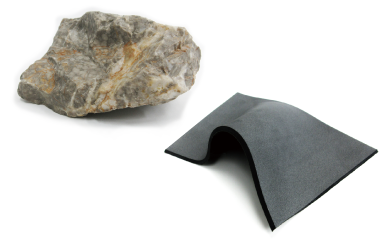
As is well known, YAMAMOTO rubber is 100% made from limestone which was originally formed 80 million years ago in Hawaii. In 1970s, we have completely switched petroleum -based raw material to limestone-based one. Excessive heat generated during process has been also utilized for fish farms.

Toward an Eco-Friendly and Efficient Production Factory
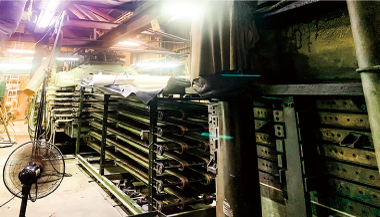
In 1980s, we installed an inverter controller for the first time among mid-sized company in Japan. With this, we have succeeded in saving a lot of electricity. In 1982-1985, we upsized our facility to increase production efficiency. The size of kneader mixer became 5 times, extrusion machine 2 times, and pressing machine 9 times bigger, respectively. We still boast 6 meters long, one of the biggest pressing machines in the world.
Reduction of Consumption with Titanium-Alpha Technology
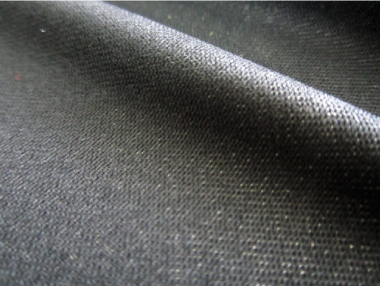
In 1990s, Yamamoto developed Titanium-alpha (Ti-a), titanium-alloy coating between rubber and jersey which reflects body heat for better thermal properties. Due to this technology, 3mm with Ti-a rubber has become as warm as 5mm, and Ti-a contributes to light-weight and flexible wetsuits. Not only that, but it significantly reduced the amount of rubber consumed.
SCS Technology Reduces Consumption of Jersey and Boost Athletes’ Performance
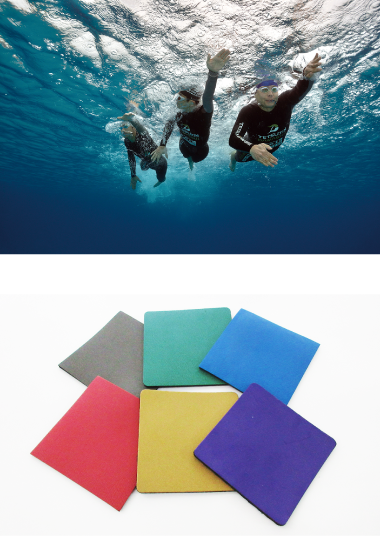
In 2000s, Yamamoto has developed revolutionary SCS material, which has the second lowest drag on Earth (Ice has the lowest drag) to swim/dive faster with less consumption of energy. SCS has been contributing to world records in triathlon, swimming, and free diving until today.
In diving industry, it was a common sense that the inner side must be lined with jersey for easiness entry/exit. However, since jersey absorbed water, it spoiled warmth, and people felt uncomfortable when putting on the suits again. Thanks to the advent of SCS material, inner jersey has been no longer needed, and the problems have been solved. The coefficiency of friction(cdf) is only 0.021cdf, ultra-much lower than the one of jersey(1.8-2.6 cdf). With its 0% water absorption, inner side is always dry and comfort.
YAMAMOTO eco-materials: New generation of sustainable material
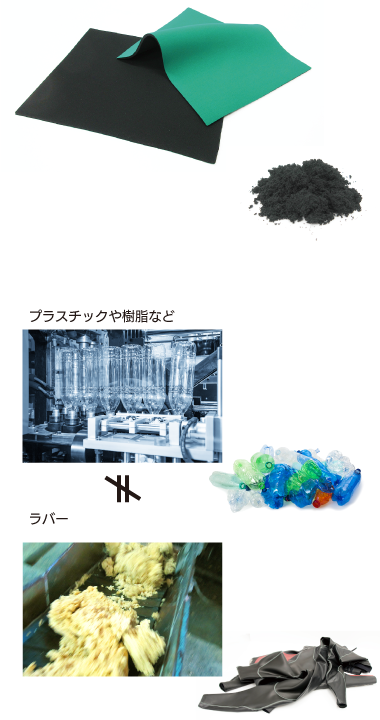
After years of trials and errors, we have succeeded in replacing some raw materials with old rubbers in stock. Our ultimate goal is to collect old wetsuits and convert them to new one. We will keep on developing this technology for more sustainability.
Compliance with the Most Updated Chemical Regulations
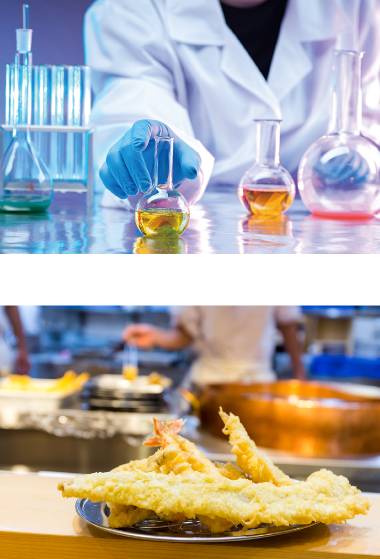
Our rubber materials are compliance with the most updated chemical regulations such as REACH SVHC, PAHs, California Proposition 65, etc. From 2021, YAMAMOTO will supply materials compliance with the world’s highest standard of safety. More safe, reliable, and sustainable material will cover your body.

Alcohol-free Water Glue
Water Based Glue, which contains alcohol, has been on the market. We have developed alcohol-free Water Glue for more sustainability and better working environment. This can be exported and available very soon.
Donation of Reusable Masks to Street Children in Philippines
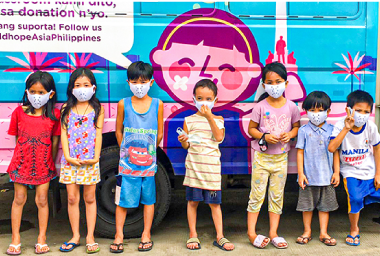
In 2020, in response to the COVID-19 pandemic in the world, YAMAMOTO has developed neoprene reusable masks, BIOLA series. It has been sold well in both domestic and overseas markets.
On the other hand, there are poor children in Philippines exposed to a huge risk of infection. We decided to donate more than 1,000 reusable masks to them and also educated them how to keep masks clean to prevent infection, through a local Non-Profit Organization.